Eco-Friendly Indonesian Charcoal: The Green Choice for Environmentally Conscious Buyers
As global awareness of environmental sustainability intensifies, businesses and consumers are increasingly seeking alternatives to fossil fuels that minimize ecological impact. Indonesian coconut shell charcoal has emerged as a leading solution, offering a compelling combination of environmental responsibility and high performance. For B2B buyers, understanding the sustainability credentials of this product is not just about meeting regulatory requirements—it is about aligning with a global movement toward a greener future.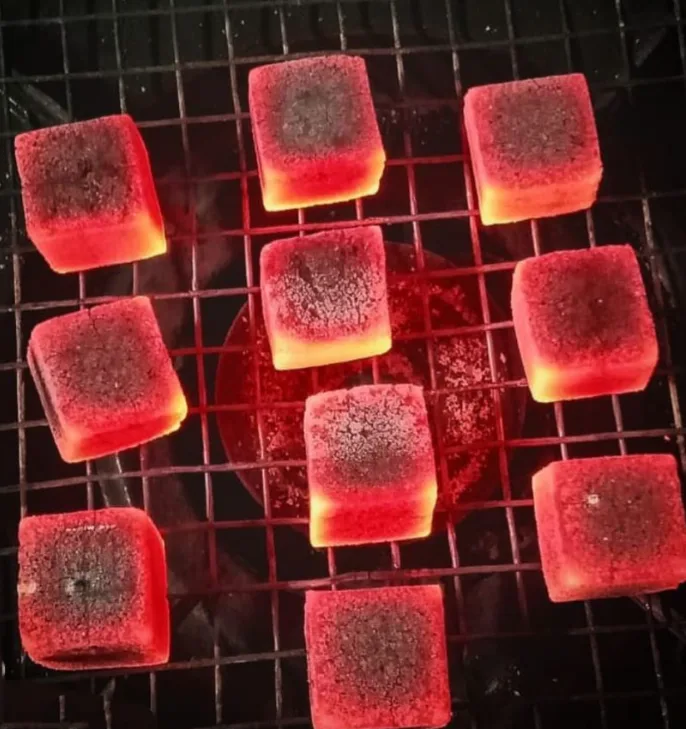
Transforming Agricultural Waste into Premium Energy
One of the most compelling environmental arguments for Indonesian coconut shell charcoal lies in its raw material. Coconut shells are an agricultural byproduct of the coconut industry, which is abundant in tropical regions like Indonesia. Historically, these shells were often discarded or burned in the open, creating waste and pollution . However, the production of coconut shell charcoal repurposes this waste into a valuable energy source, embodying the principles of the circular economy .
By converting coconut shells into charcoal, producers minimize waste streams and reduce the environmental burden associated with traditional disposal methods. This approach aligns with global sustainability goals and transforms a potential pollutant into a resource . For environmentally conscious buyers, this means that the product they purchase directly contributes to waste reduction and resource efficiency.
Reducing Carbon Emissions and Deforestation
Compared to traditional fossil fuels and even wood-based charcoal, coconut shell charcoal offers significant carbon emissions reductions. Research indicates that coconut shell charcoal contributes to a 25% reduction in carbon emissions compared to conventional fossil fuels . This is a critical metric for buyers seeking to lower their carbon footprint.
Furthermore, the use of coconut shells as a raw material helps mitigate deforestation. Wood charcoal production often involves cutting down trees, leading to forest degradation and habitat loss. In contrast, coconut shell charcoal production utilizes a waste product from existing agricultural systems, creating no additional demand for forest resources. This makes it a truly sustainable alternative for international markets concerned with responsible forestry practices .
Supporting a Sustainable Circular Economy
The business model of coconut shell charcoal production is deeply rooted in circular economy principles. By repurposing agricultural waste into a carbon-neutral, renewable resource, the industry adds value to a previously underutilized byproduct . Coconut shell charcoal, a form of biochar created through pyrolysis, exemplifies how waste can be transformed into a valuable resource.
Beyond its role as a fuel source for shisha and barbecue, coconut shell charcoal finds applications in water purification, odor control, and even as a soil enhancer in agriculture, where it aids in carbon sequestration . This versatility reinforces its contribution to a waste-to-value cycle, making it a strategic choice for buyers looking to support a more sustainable economy.
The Indonesian Advantage: Leading the Green Energy Transition
As one of the world’s largest coconut producers, with annual production reaching approximately 2.90 million tons in 2023, Indonesia is uniquely positioned to supply the global demand for eco-friendly charcoal . This abundant supply of raw materials ensures a consistent and scalable source of sustainable fuel. The country’s government and research institutions are also actively collaborating with producers to improve production efficiency and reduce costs, further strengthening Indonesia’s position in the international market .
Indonesian producers are increasingly adopting clean energy technologies and sustainable production methods to meet international standards . This commitment to environmental stewardship is reflected in the growing market demand for Indonesian charcoal briquettes, driven by rising awareness of eco-friendly fuel sources . For buyers, this represents an opportunity to source from a region that is dedicated to sustainable practices.
The Market Demand for Sustainable Products
The global shift toward green energy has created a robust market for products that prioritize sustainability. The Indonesia charcoal briquette market is projected to grow significantly, driven by consumer preferences for environmentally friendly alternatives . This demand is particularly strong in markets like Europe, which has high awareness of green energy and clean products . Countries such as France, Portugal, and the Netherlands, as well as Asian markets like Japan and Korea, are increasingly seeking out Indonesian coconut shell briquettes .
For B2B buyers, sourcing eco-friendly Indonesian charcoal is not just a purchasing decision; it is a strategic business choice that aligns with global sustainability trends and meets the expectations of environmentally conscious end-users.
Conclusion
Eco-friendly Indonesian charcoal represents a sustainable solution for the global energy market. By transforming agricultural waste into a high-performance fuel, it reduces carbon emissions, prevents deforestation, and supports circular economy principles. For environmentally conscious buyers, choosing Indonesian coconut shell charcoal is a commitment to both quality and sustainability.
To explore our range of premium, eco-friendly coconut shell briquettes and learn how we can support your sustainability goals, visit indonesianbriquettes.com.