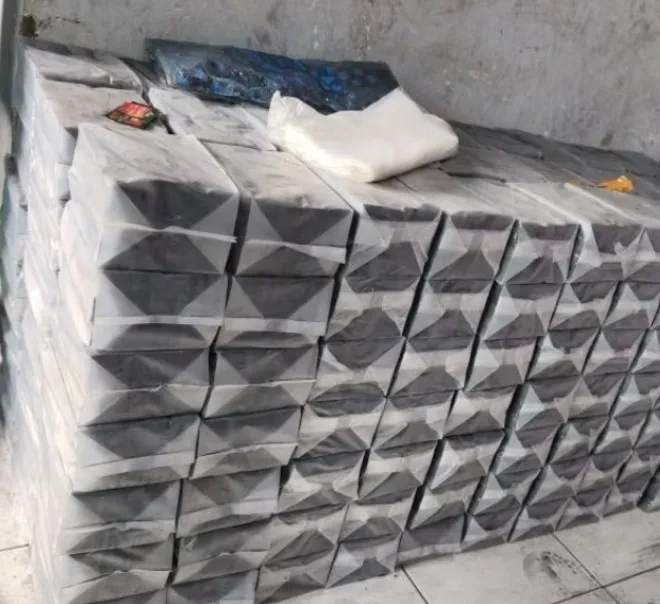
Premium Quality Indonesian Coconut Shell Charcoal Briquettes: A Rising Force in the Global Export Market
Indonesia has emerged as a pivotal player in the global alternative energy sector, with its premium coconut shell charcoal briquettes carving a significant niche in international markets. Leveraging abundant agricultural resources and a commitment to sustainable production, Indonesian briquette products are increasingly becoming the fuel of choice for diverse applications, from high-end barbecues in Europe to shisha lounges in the Middle East. This article explores the defining characteristics of Indonesian charcoal, the dynamics of the global market, and the key factors driving their export success to various countries.
The Superiority of Indonesian Coconut Shell Briquettes
The foundation of Indonesia’s success lies in its use of 100% natural coconut shells as the primary raw material. This choice offers numerous advantages over traditional wood charcoal or briquettes made from other biomass sources. Manufacturers source mature coconuts from plantations across Sumatra and Sulawesi, ensuring a raw material rich in carbon, which is essential for stable heat output and extended burn time. This process not only utilizes a renewable agricultural by-product but also significantly reduces deforestation, a critical environmental concern for eco-conscious markets in Europe and North America.
Premium Indonesian briquette products are characterized by their exceptional quality specifications. Typical features of a high-grade product include a moisture content of less than 5%, a low ash content of below 2.5%, and a fixed carbon content of around 75%. The low ash content, which often produces a clean white or grey ash, is a hallmark of quality, especially for applications like shisha where residue can affect the taste and experience. Furthermore, the use of natural tapioca starch as a binder, with no harmful chemicals involved, ensures that these briquettes are odorless, smoke-free, and safe for indoor use, which is a non-negotiable requirement for the global shisha market. The combustion efficiency is also noteworthy, with some briquettes achieving burn times of up to 2.5 hours and high temperatures between 650 and 750°C, making them ideal for both grilling and heating applications.
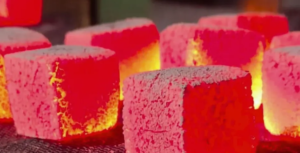
Complete Specification Indonesian Briquette for Global Standards
Understanding the specification Indonesian briquette buyers expect is crucial for successful export. Premium-grade Indonesian charcoal briquettes typically meet the following international standards:
Parameter Specification
Moisture Content ≤ 5%
Ash Content ≤ 2.5%
Fixed Carbon 75% – 80%
Volatile Matter ≤ 15%
Calorific Value 6,500 – 7,500 Kcal/kg
Burning Time 2 – 2.5 hours
Ignition Temperature 650°C – 750°C
Shape Hexagonal, Cube, Pillow, or Log
Binder Natural Tapioca Starch
These precise specifications ensure that Indonesian briquette products perform consistently across various applications, from professional kitchens to recreational barbecues. For buyers seeking detailed technical data sheets and customized formulations, comprehensive product information is available at indonesianbriquettes.com.
Premium Briquette for Shisha: The Middle Eastern and European Demand
One of the most lucrative segments for Indonesian exporters is the shisha (hookah) charcoal market. A premium briquette for shisha must meet stringent criteria: smoke-free, odorless, white ash, steady heat, and a long burn duration. Indonesian coconut shell briquettes excel in all these aspects, making them highly sought after in countries like Saudi Arabia, Turkey, the UAE, and Germany. The natural coconut shell composition ensures that the charcoal produces no unpleasant taste or smell, allowing the shisha tobacco’s flavor to remain pure and untainted.
The growing popularity of shisha culture in Europe and the Middle East has created sustained demand for high-quality shisha charcoal. Importers in these regions specifically seek premium briquette for shisha products that offer consistent performance and reliable supply. Indonesian manufacturers have responded by developing specialized shisha briquettes in various shapes and sizes, including quick-lighting variants and natural slow-burn options. For a complete catalog of shisha charcoal products and export pricing, buyers are encouraged to visit indonesianbriquettes.com.
Briquette for BBQ: Catering to the Western Grilling Culture
Beyond the shisha market, briquette for BBQ applications represent another significant export opportunity. The Western grilling culture, particularly in the United States, Europe, and Australia, demands charcoal that provides high heat, long burn time, and minimal smoke. Indonesian coconut shell briquettes perfectly fit these requirements. When used for barbecues, they impart a subtle, clean flavor to grilled foods without the acrid smoke associated with lower-quality wood charcoal.
The consistent shape and size of Indonesian briquette products allow for even heat distribution across the grill surface, ensuring perfectly cooked meats and vegetables. The long burning time of up to 2.5 hours means grillmasters can enjoy extended cooking sessions without the need for constant refueling. Additionally, the low ash production simplifies cleanup, a feature highly appreciated by both professional chefs and home grillers. For premium BBQ briquette options, including specialized grill products and bulk order inquiries, visit indonesianbriquettes.com.
Target Markets and Export Performance
Indonesian briquette products have successfully penetrated a diverse array of international markets, each with distinct demands and applications. The Republic of Korea is a significant importer due to the product’s high fixed carbon content, stable combustion, and eco-friendly characteristics. Japanese importers value the consistent quality and sustainability credentials of Indonesian charcoal, with recent government-facilitated export programs opening new doors in this demanding market.
The Middle East and Europe constitute another vital market segment, particularly for premium briquette for shisha products. Countries like Saudi Arabia, Turkey, and the UAE, alongside Germany, impose strict criteria—smoke-free, odorless, white ash, steady heat, and a long burn duration—all qualities that Indonesian briquette products are engineered to meet. Academic research analyzing the competitiveness of Indonesian charcoal in Saudi Arabia confirms its strong position as a leading exporter, though it faces growing competition from countries like China, Vietnam, and Egypt. This demand is further supported by significant export activities from UMKM (Micro, Small, and Medium Enterprises) in Banten, which produce approximately two tons of briquettes daily. Each shipment, amounting to 25 tons per container, is exported to the Middle East and Europe with a value of around US$11,000 per container.
For comprehensive market insights, export documentation assistance, and real-time inventory updates, international buyers can rely on the resources available at indonesianbriquettes.com.
Challenges and the Path Forward
Despite its strong market position, the Indonesian briquette industry faces several hurdles. A primary concern is the shortage of raw materials, driven by excessive raw coconut exports and insufficient national regulations governing the supply for downstream industries. This supply-side constraint can lead to price volatility and an inability to meet large-scale orders. Additionally, logistical bottlenecks, such as limited shipping access and fluctuating freight costs, remain a challenge for exporters. The industry also contends with quality variability among suppliers, which necessitates rigorous due diligence for international buyers.
To solidify its position as a global leader, the industry must focus on innovation and value addition. This includes developing specialized briquettes for specific uses, such as high-density cubes for shisha or optimized shapes for barbecue grills. There is also a growing trend towards sustainable and traceable supply chains, a demand that Indonesian producers can meet by emphasizing their use of agricultural waste and eco-friendly processing methods. Furthermore, government support is crucial. Initiatives like the Export Coaching Program, which has successfully helped SMEs enter the Japanese market, should be scaled up. Strengthening regulations to balance raw material exports with domestic processing needs will also be vital for ensuring a stable and abundant supply of premium briquette products for the global market.
Why Choose Indonesian Briquettes?
For international buyers evaluating their options, Indonesian briquette products offer several compelling advantages:
Superior Quality: Consistent specifications meeting international standards
Sustainability: Made from renewable agricultural waste, reducing deforestation
Eco-Friendly: Natural binder, no chemicals, clean combustion
Versatility: Suitable for shisha, BBQ, heating, and industrial applications
Competitive Pricing: Cost-effective compared to alternative fuel sources
Reliable Supply: Established production networks with growing export capacity
For detailed product specifications, custom order inquiries, and partnership opportunities, visit indonesianbriquettes.com today.
Premium quality Indonesian coconut shell charcoal briquettes stand at the forefront of the global alternative fuel market, driven by superior product characteristics, a commitment to sustainability, and an expanding international customer base. Whether you are searching for a premium briquette for shisha, a reliable briquette for BBQ, or need the complete specification Indonesian briquette details, Indonesian producers are ready to meet your needs. By capitalizing on its natural and addressing challenges through innovation and policy support, Indonesia is well-positioned to maintain and grow its status as a key supplier to Europe, the Middle East, and Asia, contributing to a greener and more sustainable energy future. For the latest product offerings, certifications, and export services, please visit indonesianbriquettes.com—your trusted gateway to premium Indonesian charcoal products.